Why a Massage Is What You Need: Unveiling the Benefits of Experiencing a Thai Spa
The perks of attending a Thai spa go beyond simple relaxation. Thai massage merges ancient practices with a emphasis on both physical and mental wellness. It tackles pain, improves flexibility, and encourages better circulation. Moreover, the peaceful environment fosters mindfulness, which can be essential in the busy world we live in today. Understanding these positive aspects reveals why making self-care is essential for overall well-being. What else might one discover about the transformative power of a massage?
The History of Thai Massage: A Journey Across Time
Even though the exact origins of Thai massage remain quite elusive, it is commonly believed to have origins in ancient Indian healing methods, particularly those of Ayurveda and traditional yoga. This method of massage likely developed around the third century BCE, when Buddhist monks migrated from India to Thailand, sharing their knowledge find guide of therapeutic practices. Over time, these practices integrated with local traditions and beliefs, creating a unique therapeutic practice.
When Thai massage developed, it incorporated elements of acupressure, stretching, and energy line theory, known as "Sen" lines. Practitioners began to view the body as a network of energy pathways, focusing on balance and harmony. By the 1300s, Thai massage turned into an integral part of Thai culture, often practiced in temples and utilized to treat ailments within communities. Currently, its extensive historical tapestry and spiritual significance remain appealing to individuals seeking an authentic and holistic healing experience.
Health Benefits: Alleviating Aches and Tension
Thai massage provides substantial physical advantages, notably in easing discomfort and tightness throughout the body. This traditional technique utilizes a combination of stretching, acupressure, and controlled compression to focus on targeted muscle groups. As therapists work on the body, they increase blood flow, which increases circulation and supports healing in tender regions. Many individuals experience relief from persistent pain, muscle stiffness, and joint discomfort after treatment.
Additionally, the deep stretching methods used in Thai massage help to improve flexibility and improve overall range of motion. This can be specifically valuable for those with sedentary lifestyles or repetitive strain injuries. The therapeutic approach not only deals with immediate discomfort but also supports long-term physical health by supporting proper posture and alignment. All in all, the physical advantages of Thai massage make it an valuable solution for anyone seeking to relieve pain and tension, leading to improved mobility and comfort in daily activities.
Mental Wellness: Reducing Anxiety and Stress
The advantages of massage at a Thai spa reach beyond physical relief, substantially impacting mental well-being. Methods centered on stress relief, integrated with mindfulness practices, promote relaxation and help alleviating anxiety. This holistic approach permits individuals to reach a calmer state of mind, boosting overall emotional wellness.
Techniques for Stress Relief
When searching for proven stress relief strategies, many people turn to the soothing environment of a spa, where age-old practices blend with modern wellness approaches. Thai spas, in particular, deliver a array of treatments designed to relieve stress and promote relaxation. Traditional Thai massage integrates deep tissue manipulation and stretching, working on tension points and increasing circulation. Aromatherapy, employing essential oils, strengthens the calming effects, involving the senses while fostering emotional balance. Moreover, herbal compresses can offer localized relief while relaxing the mind. The tranquil ambiance of a spa, accompanied by soft music and calming visuals, enhances these practices, allowing visitors to leave their worries behind. Ultimately, these stress relief methods add meaningfully to mental wellness and total well-being.
Mindfulness and Relaxation
Practicing mindfulness can substantially boost relaxation and mental wellness, supplementing the benefits obtained from stress relief techniques. Thai spas often integrate mindfulness practices into their services, encouraging clients to focus on the present moment. This approach not only promotes a sense of calm but also helps to decrease stress and anxiety. Through techniques such as deep breathing and body awareness, individuals can develop a deeper connection with their inner selves, contributing to strengthened emotional resilience. The peaceful environment of a Thai spa further supports this journey toward mindfulness, providing a calm backdrop for reflection and relaxation. By incorporating mindfulness into their experience, clients can leave from a Thai spa not only rejuvenated physically but also mentally restored and balanced.

Increasing Flexibility: The Discipline of Stretching Exercises
Within the realm of Thai massage, enhancing flexibility is a essential aspect that supports overall wellness. Practitioners use specific techniques intended to stretch and relax the body, facilitating greater range of motion. Over time, these methods can lead to significant long-term improvements in flexibility, benefiting both physical performance and daily activities.
Perks of Greater Flexibility
Increased flexibility, commonly obtained through the technique of stretching, plays a vital role in overall physical fitness. It supports improved range of motion in muscular and joint systems, which can lead to better performance in day-to-day functions and physical activities. Increased flexibility lowers the risk of injuries by helping the body to adapt to various movements without strain. Moreover, it encourages better posture, relieving discomfort caused by muscle tightness. The benefits reach mental health as well; increased flexibility can diminish stress and enhance relaxation, creating a sense of peace. Regular stretching exercises, such as those offered in Thai spas, can remarkably elevate one's quality of life, making flexibility a essential component of holistic wellness.
Techniques Used in Thai Massage
Thai massage employs a variety of approaches that emphasize stretching to boost flexibility and encourage overall wellness. One core aspect is the use of passive stretching, where the therapist directs the client into various positions to extend muscles and release tension. This method often utilizes the therapist's body weight, enabling deeper stretches without unnecessary strain. Moreover, rhythmic compressions and acupressure points are combined, promoting energy flow while readying the body for more extensive stretching. The incorporation of gentle rocking motions further assists in relaxing tight areas, improving mobility. By blending these approaches, Thai massage not only improves flexibility but also fosters a profound sense of relaxation, making it a comprehensive approach to physical and mental well-being.
Sustained Mobility Advancements
Long-term flexibility gains can be attained through continuous practice of stretching approaches, which are essential to the philosophy of Thai massage. This ancient practice focuses on dynamic stretches that enhance range of motion and foster overall physical wellness. Regular sessions at a Thai spa not only help ease muscular tension but also instill a deeper awareness of body mechanics. As individuals practice these stretching routines, they may experience gradual increases in flexibility, making everyday movements more effortless and more fluid. Moreover, improved flexibility can lead to reduced risk of injury, enhanced athletic performance, and better posture. Thai massage thus serves as a holistic approach, merging the benefits of relaxation with the art of stretching to foster enduring flexibility.
Enhancing Blood Flow: A Path to Superior Health
Though many people seek the calming relief of a massage at a Thai spa, they might not recognize that one of its significant benefits is the increase of circulation. Better blood flow is essential for complete health, as it enables the delivery of oxygen and nutrients to critical organs and tissues. Thai massage techniques, which often combine stretching and rhythmic pressure, encourage blood vessels and enhance vascular health.
Once circulation enhances, people may experience diminished muscle tension and faster recovery from physical exertion. Better circulation can also bring about a boost in energy levels and improved immune function. Furthermore, enhanced blood flow assists with the removal of toxins from the body, contributing to overall wellness. Regular visits to a Thai spa can act as a proactive approach to maintaining healthy circulation, ultimately encouraging a more vibrant and resilient lifestyle. Welcoming this benefit can make a meaningful difference in your health journey.
Mindful Practices and Relaxation: Achieving Inner Peace
As people become absorbed in the serene atmosphere of a Thai spa, they often discover that the practice goes beyond physical relaxation, leading to profound mindfulness and inner peace. The serene ambiance, enriched by calming aromas and gentle sounds, creates an atmosphere conducive to mental clarity. Guests are invited to concentrate on their breath, promoting a deep sense of presence that calms the turbulent thoughts of daily life.
The experienced therapists use ancient techniques that not only alleviate tension but also encourage a meditative state. This combination of massage and mindfulness fosters self-awareness, permitting individuals to reconnect with their inner selves. The act of letting go—both physically and mentally—enables a journey into relaxation, where stress dissolves and emotional balance is restored. Finally, a visit to a Thai spa becomes not just a physical indulgence but a life-changing experience that enriches the mind, body, and spirit.
Putting Self-Care First: Welcoming Your Overall Health
Recognizing the significance of self-care is vital for overall well-being, especially in today's fast-paced world. Individuals often give precedence to work and responsibilities over personal health, disregarding their mental and physical needs. Embracing self-care involves recognizing these needs and making conscious choices to support oneself.
Going to a Thai spa may be a life-changing experience, offering a sanctuary for rejuvenation and relaxation. The time-honored techniques employed in Thai massage don't just relieve physical tension but also promote mental clarity and emotional balance. By adopting such practices into one's routine, individuals nurture a stronger connection with their own health.
Prioritizing self-care a priority enables individuals to recharge, enhancing productivity and fostering resilience against stressors. At its core, adopting self-care is not a luxury; it is a crucial component of a balanced lifestyle. By dedicating time to oneself, individuals can elevate their overall quality of life and better support those around them.
Popular Questions
What Clothing Should I Wear for a Thai Massage Session?
During a Thai massage appointment, comfortable, loose-fitting attire is suggested. Many spas provide traditional attire, such as cotton shorts and shirts, allowing ease of movement. Stay away from tight or restrictive garments to enhance relaxation while receiving the treatment.
What's the Typical Length of a Thai Massage Session?
A typical Thai massage takes between 60 to 120 minutes. The duration typically varies based on individual preferences and the certain techniques used, enabling clients to enjoy diverse levels of relaxation and rejuvenation across the session.
What Health Conditions Contraindicate Thai Massage?
Certain health conditions, like severe osteoporosis, fractures, skin infections, or cardiovascular conditions, contraindicate Thai massage. Persons with these conditions should seek advice from healthcare professionals for customized advice before seeking any massage therapy.
Can I Request Specific Areas to Focus on During My Massage?
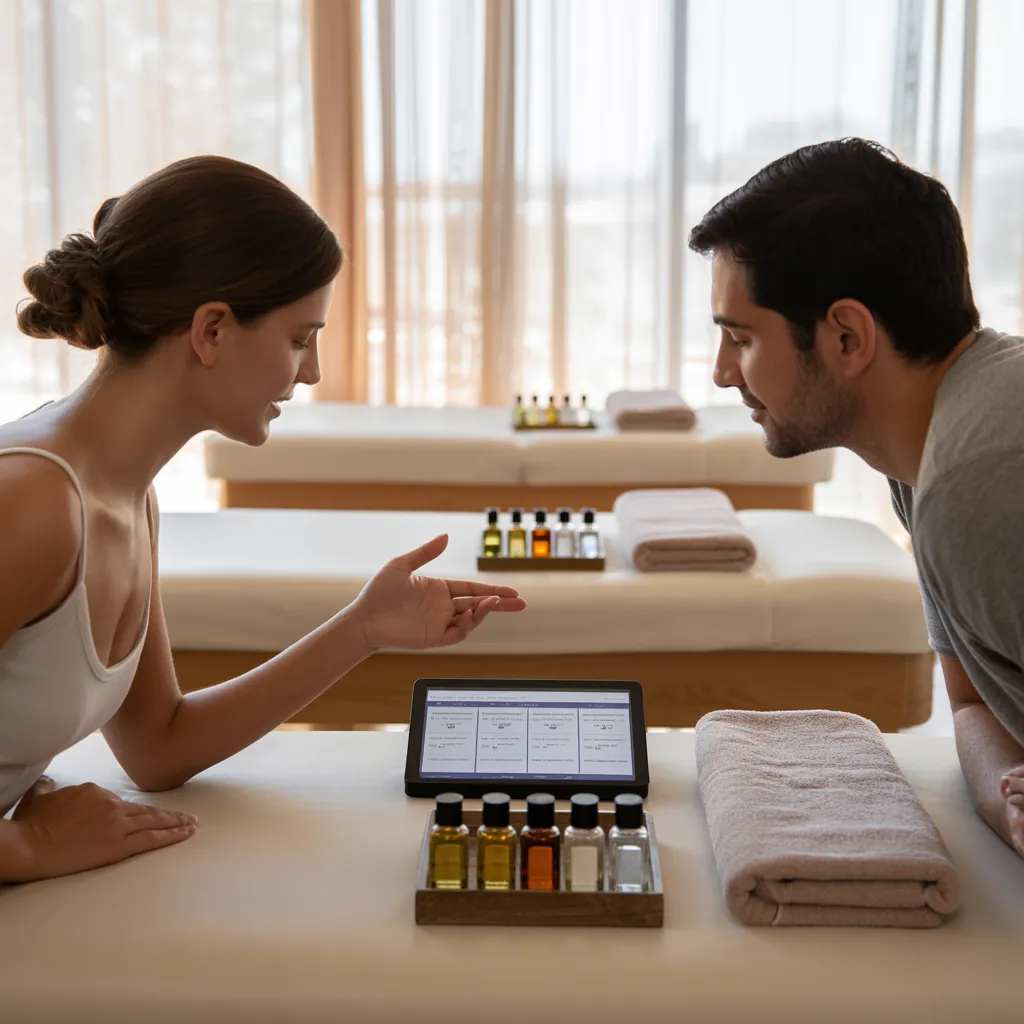
Yes, individuals can request specific areas for focus during their Thai massage. Communicating preferences to the therapist delivers a personalized experience, offering targeted relief and enhanced satisfaction within the session, adapted to individual needs.
How Frequently Should You Schedule Thai Spa Appointments for Best Results?
Visiting a Thai spa one time every two to four weeks is advised for ideal effects. This frequency enables the body to restore itself while ensuring consistent relaxation and rejuvenation, improving overall well-being and stress relief.